China Gold Reserves: Why the PBoC Keeps Buying for 23 Months
September's purchase was the biggest of the streak, even as prices fell. The strategic reasons behind Beijing's gold buying.
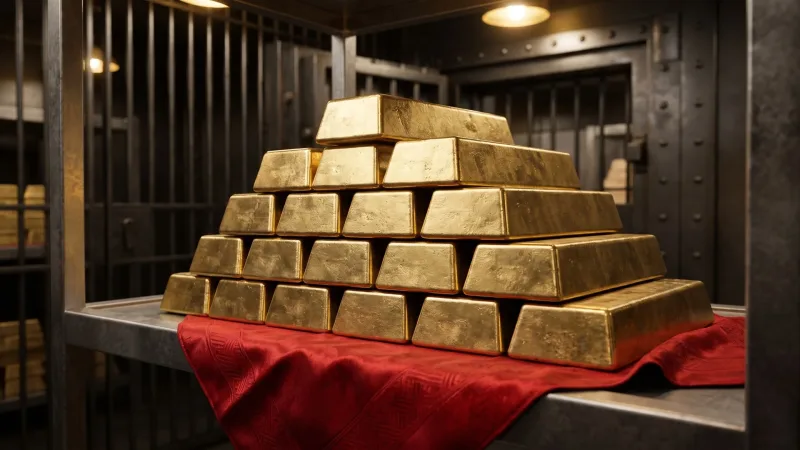
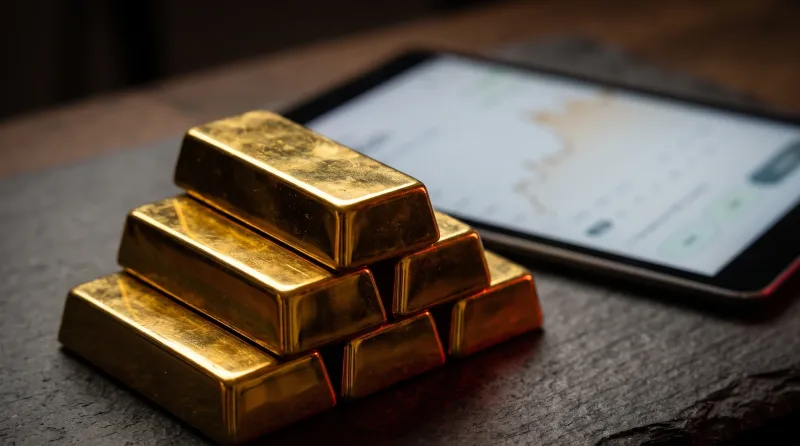
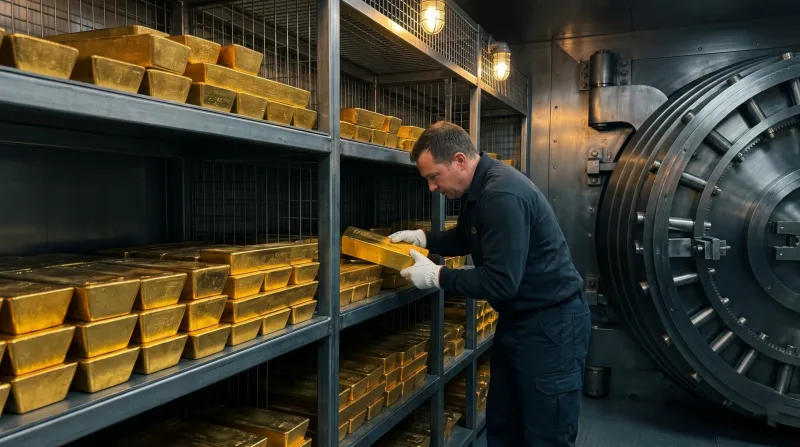
The short answer: China gold reserves keep growing. The People's Bank of China (PBoC) added about 740,000 troy ounces in September 2026, its largest monthly purchase since it resumed buying in November 2024, extending its streak to 23 consecutive months. Official holdings reached about 77.47 million ounces, roughly 2,410 tonnes. China is buying to diversify away from the US dollar, protect against sanctions risk and build confidence in the yuan, and it kept buying even as gold prices fell.
China gold reserves: the numbers
| Measure | Figure |
|---|---|
| Holdings, end of September 2026 | About 77.47 million troy ounces (around 2,410 tonnes) |
| Holdings, end of August 2026 | About 76.73 million troy ounces |
| September purchase | About 740,000 ounces (roughly 23 tonnes) |
| Buying streak | 23 months, since November 2024 |
| Value of gold reserves | About $323.5 billion |
Source: PBoC reserve data as reported by Reuters, Global Times and others. Tonnage estimates vary slightly between sources.
Why it matters: central banks have become one of the biggest sources of gold demand. Their steady buying puts a floor under prices and signals shifting views on the global financial system.
Why China keeps buying gold
1. Diversifying from the dollar
China holds large foreign reserves, much of them in US dollar assets. Gold is not tied to any government, so adding it reduces dependence on the dollar and US Treasury bonds.
2. Sanctions risk
The freezing of Russia's foreign reserves in 2022 showed that assets held abroad can be blocked. Gold stored at home cannot be frozen by other countries, which makes it attractive for reserve managers.
3. Supporting the yuan
Larger gold reserves can strengthen confidence in China's currency as it promotes the yuan in trade and finance.
4. Buying the dip
September's purchase was the largest in the current streak even though gold fell more than 6% that month. Like many long-term buyers, the PBoC appears to add more when prices are lower.
Yes, but: gold is still a small share of China's total reserves compared with Western central banks, many of which hold more than half their reserves in gold. Some analysts believe China's true holdings are higher than reported, but that cannot be verified.
What it means for gold prices
Gold reached record highs above $5,300 an ounce in January 2026 before falling to about $3,876 on October 30 as interest rate expectations rose. Central bank buying has not prevented that decline, but it provides steady demand that can soften falls. Our explainers on how gold prices are determined and gold price in pounds cover current prices.
Other central banks, including those of Poland, India and Turkey, have also been regular buyers in recent years, according to the World Gold Council.
What it means for investors
- Central bank demand is a long-term support, not a short-term trading signal.
- Gold still swings sharply with interest rates and the dollar.
- A modest gold allocation can diversify a portfolio; see gold vs stocks.
When is the next data?
The PBoC publishes reserve data in the first week of each month. October's figure, due in early November, will show whether the streak reaches 24 months.
How central bank buying changed the gold market
For much of the 1990s and 2000s, Western central banks were net sellers of gold. That changed after the 2008 financial crisis, when emerging market central banks became steady buyers. According to the World Gold Council, central banks bought more than 1,000 tonnes a year in several recent years, a pace well above the previous decade. China, along with countries such as Poland, India and Turkey, has been among the most consistent buyers. This official demand is one reason gold reached record highs even when interest rates were rising.
Risks to the trend
Central bank buying can slow if prices rise too far, if a country needs to sell reserves to defend its currency, or if geopolitical tensions ease. China paused purchases for several months in 2024 when prices spiked, before resuming in November that year. Investors should not assume official buying will continue at the same pace forever.
The bottom line: China's gold reserves have grown for 23 straight months, with September's purchase the largest of the streak. Beijing is buying for strategic reasons (dollar diversification, sanctions protection and confidence in the yuan), which supports gold's long-term demand even as prices pull back.
Frequently asked questions
How much gold does China own?
Officially about 77.47 million ounces, roughly 2,410 tonnes, at the end of September 2026.
Which country has the most gold reserves?
The United States holds the largest official reserves, about 8,133 tonnes, followed by Germany, Italy and France.
Does central bank buying push gold prices up?
It adds steady demand that supports prices over time, but short-term moves are still driven mainly by interest rates, the dollar and investor sentiment.
Figures as of November 1, 2026. This article is for education only and is not investment advice.
This article is for information only and is not investment, tax or legal advice. Prices and data may be delayed. Read our financial disclaimer.
Sources
Spotted an error? Email info@nodelyf.com. See our corrections policy.