RBI Monetary Policy: What the First Rate Hike Since 2023 Means
The repo rate rose to 5.50% in a unanimous vote to defend the rupee and fight oil-driven inflation. Cuts are off the table.

The short answer: In its latest RBI monetary policy decision on October 7, 2026, the Reserve Bank of India raised the repo rate by 25 basis points to 5.50%, its first hike since February 2023. The Monetary Policy Committee voted 6–0 and changed its stance from neutral to calibrated tightening. The RBI acted to defend the rupee, which was near a record low, and to contain inflation driven by higher oil prices. Rate cuts are now effectively off the table.
RBI monetary policy: what changed
| Rate | Before | After (Oct 7, 2026) |
|---|---|---|
| Repo rate | 5.25% | 5.50% |
| Standing Deposit Facility (SDF) | 5.00% | 5.25% |
| Marginal Standing Facility (MSF) and Bank Rate | 5.50% | 5.75% |
Source: RBI MPC statement and minutes (published October 21, 2026), as reported by financial media.
Why it matters: the repo rate is the rate at which the RBI lends to banks. It shapes home loan, car loan and business loan rates, and returns on deposits across India.
Why the RBI raised rates
Defending the rupee
The rupee came within 0.2% of its record low of about 96.97 per dollar in early October, pushed down by high crude prices, rising global bond yields and foreign portfolio outflows. The RBI's dollar sales had reduced foreign exchange reserves by about $51 billion. A higher repo rate makes rupee assets more attractive to hold. Read our rupee vs dollar update.
Containing inflation
India imports most of its crude oil, so higher global energy prices feed directly into fuel, transport and food costs. The MPC raised its inflation forecast for 2026–27 to 5.2%, above its 4% target.
Strong growth
With GDP growth forecast at 7.1%, the RBI judged the economy strong enough to absorb a modest hike.
Yes, but: traders were initially disappointed that the RBI did not announce tougher liquidity measures, and the rupee kept weakening until later steps, such as limits on rebooking cancelled currency derivative contracts, helped it recover to around 95.
What it means for borrowers and savers
| Group | Effect |
|---|---|
| Home loan borrowers on repo-linked rates | EMIs or tenures rise after banks reset rates, usually within three months |
| Fixed deposit savers | Banks may raise FD rates |
| Businesses | Higher borrowing costs |
| Debt fund investors | Bond prices fall when rates rise; short-duration funds are less affected |
What it means for the stock market
Higher rates usually weigh on rate-sensitive sectors such as real estate, autos and NBFCs, while exporters like IT and pharma benefit from a weak rupee. That pattern showed up in late October, when IT and pharma led the Sensex higher; see Sensex today. For the general link between rates and shares, read interest rates and stocks.
Global context
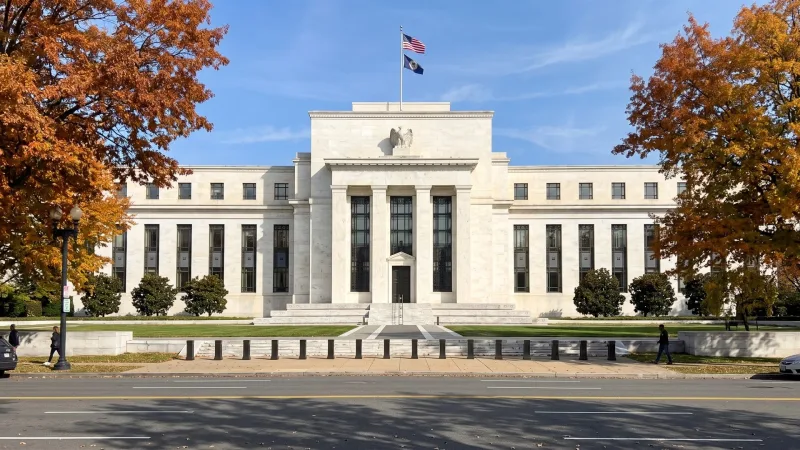
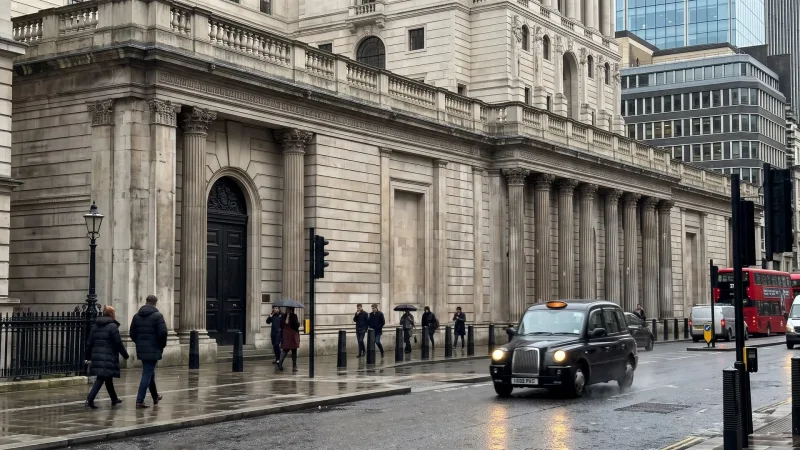
The RBI is not alone. The US Federal Reserve raised rates and may hike again in December, and the Bank of England has a growing minority voting for a rise. Rate differentials between India and the US influence foreign investor flows; see FII DII data.
What happens next
The minutes indicated that rate cuts are off the table, with only hikes or pauses ahead. The next MPC meeting is scheduled for early December 2026. Its decision will depend on inflation data, the rupee and oil prices.
How this compares with past RBI cycles
The RBI last tightened in 2022–23, raising the repo rate from 4% to 6.5% after the pandemic to fight inflation. It then cut rates by a total of 125 basis points through 2025 as inflation eased. The October 2026 hike is small by comparison, and the RBI has signaled that it will move carefully, balancing support for the rupee against strong but uneven growth. Past cycles show that the RBI often pairs rate moves with liquidity and currency measures rather than relying on rates alone.
The bottom line: RBI monetary policy has turned: the October hike to 5.50% was the first since 2023 and aims to protect the rupee and control oil-driven inflation. Borrowers should expect higher EMIs, savers may get better FD rates, and investors should watch rate-sensitive sectors.
Frequently asked questions
What is the repo rate?
The interest rate at which the RBI lends short-term money to banks against government securities.
Will my home loan EMI increase?
If your loan is linked to the repo rate, banks typically reset it within three months, raising your EMI or extending your tenure.
When is the next RBI policy meeting?
Early December 2026. Check the RBI website for the exact schedule.
What is the Standing Deposit Facility?
A tool that lets banks park surplus money with the RBI and earn interest without collateral. Its rate, now 5.25%, forms the floor of the RBI's interest rate corridor.
Does a rate hike help the rupee?
It can, by making rupee assets more attractive to investors, but oil prices, global rates and capital flows also matter.
Figures as of November 1, 2026. This article is for education only and is not financial advice.
This article is for information only and is not investment, tax or legal advice. Prices and data may be delayed. Read our financial disclaimer.
Sources
Spotted an error? Email info@nodelyf.com. See our corrections policy.