Fed Rate Decision: What the October Hold Means for Stocks
Rates stayed at 3.75%–4% but two officials wanted a hike, and markets now bet on December. What that means for your portfolio.
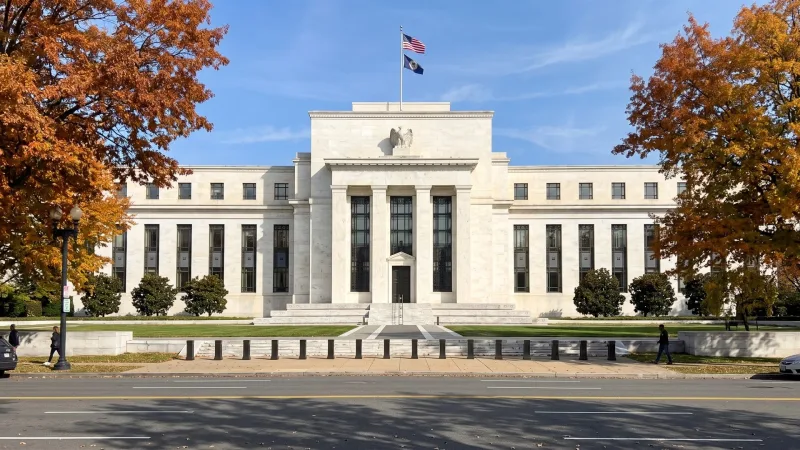
The short answer: In its October 2026 Fed rate decision, the Federal Reserve held the federal funds rate at 3.75%–4.00% on October 28 by a 10–2 vote, after raising it at its previous meeting. Two officials wanted another hike. With inflation at 3.7%, futures markets now see a strong chance of a December increase. For stocks, that means higher borrowing costs and pressure on richly valued growth shares.
Fed rate decision: what the Fed decided
The Federal Open Market Committee (FOMC) met on October 27–28, 2026, and left its target range unchanged. Markets had expected a pause: fed funds futures implied only about a 7% chance of a hike just before the announcement. The surprise was the size of the minority. Cleveland Fed President Beth Hammack and Governor Lisa Cook both voted for a 25 basis point increase.
Why it matters: the Fed is no longer debating when to cut rates; it is debating how far to raise them. That is a major shift from 2025, when the central bank was lowering rates.
Why the Fed is leaning toward hikes
Inflation has moved the wrong way. The September consumer price index rose 3.7% from a year earlier, driven largely by a 34% annual jump in gasoline prices. Core inflation, which excludes food and energy, was 2.6%. The Fed's preferred core PCE gauge rose to 3.1%. The Fed's goal is 2%.
The economy has also stayed strong enough that officials worry higher energy costs could feed into wages and broader prices. Our US inflation report breaks down the September data.
How rate hikes affect the stock market
| Channel | Effect on stocks |
|---|---|
| Valuations | Higher rates reduce the present value of future profits, hitting high-growth stocks most |
| Borrowing costs | Companies with heavy debt pay more interest, squeezing earnings |
| Consumer spending | Pricier mortgages and loans can slow demand |
| Competition from bonds | Higher yields make bonds and cash more attractive than shares |
| Banks | Can benefit from wider lending margins, up to a point |
That pattern showed up in October: the tech-heavy Nasdaq fell 5.3% while the Dow, with more banks and industrials, gained 1.7%. For the full mechanics, read our explainer on interest rates and stocks.
Markets price a December hike
After the meeting, CME FedWatch showed the probability of a quarter-point hike at the December meeting rising above 80%. Markets will watch three things before then:
- October CPI on November 10: another hot reading would make a hike very likely.
- Jobs reports: a slowdown in hiring could give the Fed reason to pause.
- Energy prices: a fall in oil and gasoline would ease pressure on headline inflation.
Yes, but: market expectations change quickly. In past cycles, odds above 80% have reversed within weeks when data surprised. Treat futures pricing as a snapshot, not a forecast.
What investors can do
- Check your mix: a portfolio concentrated in high-growth tech is more sensitive to rate hikes.
- Look at cash and short-term bonds: higher rates mean savings accounts and short-term Treasuries now pay more.
- Avoid timing the Fed: markets often move before decisions; steady investing beats guessing.
- Review debt: variable-rate loans become more expensive as the Fed raises rates.
New investors can start with our guide on how to start investing in stocks.
What the Fed said about the economy
The statement described economic activity as expanding at a solid pace and inflation as elevated relative to the 2% goal. Officials reiterated that future decisions will depend on incoming data. With the midterm elections on November 3, the Fed also avoided any language that could be read as political, keeping its focus on inflation and employment.
A quick history of this cycle
The Fed cut rates through 2024 and 2025 as inflation cooled. In 2026, higher energy prices reversed the trend, and the Fed raised rates at its September meeting before pausing in October. Hiking cycles driven by energy shocks are tricky, because higher rates cannot lower oil prices directly; they work by cooling overall demand.
The bottom line: The October Fed rate decision was a hawkish hold: rates stayed at 3.75%–4.00%, but two dissents and hot inflation point to a likely December hike. Higher rates tend to pressure growth stocks and reward savers, so make sure your portfolio is balanced for a world where rates are rising, not falling.
Frequently asked questions
When is the next Fed meeting?
The FOMC's final meeting of 2026 is in December. Check the Federal Reserve's FOMC calendar for exact dates.
Why would the Fed raise rates when growth is fine?
Because inflation is well above its 2% target. Raising rates cools demand and helps stop higher energy costs from spreading to other prices.
Do rate hikes always make stocks fall?
Not always. Stocks can rise during hiking cycles if earnings grow strongly, but rate hikes usually weigh on valuations, especially for growth companies.
Figures as of November 1, 2026. This article is for education only and is not investment advice.
This article is for information only and is not investment, tax or legal advice. Prices and data may be delayed. Read our financial disclaimer.
Sources
Spotted an error? Email info@nodelyf.com. See our corrections policy.