Interest Rates and Stocks: How Rate Changes Move the Market
Why rising rates usually pressure share prices, which sectors feel it most, and why markets react to expectations rather than decisions.

The short answer: The link between interest rates and stocks runs in both directions, but usually like this: when interest rates rise, stock prices tend to come under pressure, because borrowing gets more expensive, growth slows and safer investments pay more. When rates fall, stocks often benefit. The effect is strongest for fast-growing companies whose profits lie far in the future.
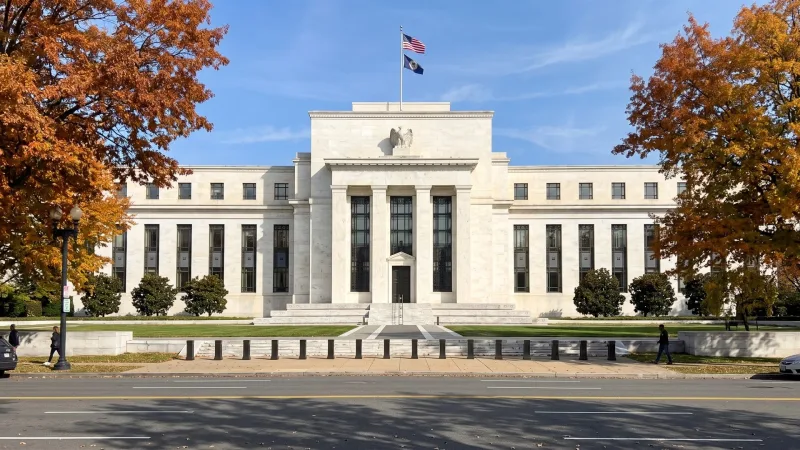
What's happening: central banks such as the US Federal Reserve set short-term interest rates to keep inflation under control and support employment. Their decisions, and even hints about future decisions, are among the biggest market-moving events of any year.
Why it matters: interest rates influence almost every part of the economy, from mortgages and business loans to company valuations. For investors, understanding rates helps explain why markets sometimes fall on good economic news.
How interest rates and stocks are connected
1. Borrowing costs for companies
Most companies borrow money to invest, expand or refinance debt. When rates rise, interest payments increase and profits shrink. Companies with large debts feel this most. Lower rates have the opposite effect, cutting costs and freeing cash for growth.
2. Consumer spending
Higher rates make mortgages, car loans and credit cards more expensive, leaving households with less to spend. That can slow sales for retailers, carmakers, homebuilders and many other businesses.
3. Competition from safer investments
When savings accounts and government bonds pay higher interest, investors have a decent return without stock market risk. Some move money out of stocks, and those who stay may demand a lower price to compensate for the extra risk.
4. The value of future profits
Investors value a company by estimating its future profits and converting them into today's money using a "discount rate" linked to interest rates. When rates rise, profits expected many years from now are worth less today. That is why growth and technology stocks often fall more than average when rates rise.
Which stocks are most sensitive to interest rates?
| Type of company | When rates rise | Why |
|---|---|---|
| High-growth tech | Often fall more | Most profits expected far in the future |
| Real estate and utilities | Often fall | Heavy borrowing; dividends compete with bond yields |
| Banks | Mixed, can benefit | May earn more on loans, but credit risk can rise |
| Consumer staples | Usually more stable | Steady demand for essentials |
| Highly indebted companies | Often fall | Rising interest costs squeeze profits |
These are general tendencies, not rules. Individual companies can behave very differently depending on their finances and markets.
Why markets react to expectations, not just decisions
Markets look ahead. If investors expect a rate cut, prices often rise before the announcement. When the cut finally comes, the reaction may be muted, or even negative if the central bank signals fewer cuts ahead than hoped.
That is why investors pay close attention to central bank statements, press conferences and projections, and to inflation and jobs data that might change the outlook. Our explainer on what moves stock prices covers how expectations drive markets more broadly.
Yes, but: rate cuts are not always good news. If a central bank cuts because the economy is weakening sharply, worries about falling profits can outweigh the benefit of cheaper money.
Interest rates, bonds and dividend stocks
Bond prices move in the opposite direction to interest rates: when rates rise, existing bonds with lower rates become less valuable. Dividend-paying stocks are sometimes treated like bonds, so they can also fall when rates rise, as investors can earn similar income from safer bonds. Our guide to dividend investing explains how to think about this trade-off.
Gold, which pays no interest, often becomes less attractive when real interest rates rise and more attractive when they fall. See our analysis of gold vs stocks.
What long-term investors can do
- Avoid trying to time rate moves: even professionals frequently misjudge when and how far rates will change.
- Stay diversified: a mix of sectors, regions and asset types softens the impact of rate swings.
- Match investments to your timeline: money needed soon belongs in safer assets, whatever rates are doing.
- Keep investing regularly: periods of higher rates and lower prices can mean buying at better values. Our guide on how to start investing in stocks explains regular investing.
What to watch: central bank meeting dates, inflation reports and long-term government bond yields. Changes in the 10-year US Treasury yield often move stock valuations as much as the central bank's own rate. Investors outside the US should also watch their own central bank, such as the European Central Bank, the Bank of England, the Monetary Authority of Singapore or the Reserve Bank of India, because local rates shape local markets and currencies.
The bottom line: Interest rates and stocks are closely linked: higher rates usually weigh on stock prices and lower rates usually help, with growth stocks the most sensitive. For long-term investors, rate cycles are a reason to stay diversified, not a signal to jump in and out of the market. This article is for information only and is not investment advice.
This article is for information only and is not investment, tax or legal advice. Prices and data may be delayed. Read our financial disclaimer.
Sources
Spotted an error? Email info@nodelyf.com. See our corrections policy.